A Fall Calendar of Key C-Store Opportunities


Leveraging Seasonal Fall Trends to Boost Sales: A Calendar of Key C-Store Opportunities
Convenience stores thrive by meeting immediate consumer needs, but planning ahead for seasonal trends can significantly boost sales and enhance customer loyalty. Every season presents unique opportunities for c-stores to align their product offerings, promotions, and staffing to match consumer behavior, ensuring they don’t miss out on key moments to drive revenue. In the fall, with events such as back-to-school, Halloween, and Thanksgiving, c-stores can capture seasonal demand and maximize sales, while efficient inventory management ensures smooth operations.
In this article, we’ll explore how c-stores can leverage seasonal trends to boost sales, from product placement strategies to inventory management. By focusing on the months ahead, c-stores can tap into seasonal spikes and align marketing, staffing, and product offerings to meet customer demand.
Understanding Seasonal Consumer Behavior
Consumer behavior fluctuates throughout the year based on holidays, events, and changing weather patterns. For c-stores, understanding these shifts is critical to meeting customer needs and driving sales. According to historical data, convenience stores see noticeable sales increases during specific seasonal periods, such as back-to-school and Halloween. Consumers are more likely to purchase snacks, beverages, and seasonal items during these times, making it essential for stores to plan their inventory accordingly.
These trends are influenced by a variety of factors, including:
- Increased Travel and Gatherings: Holidays like Labor Day, Thanksgiving, and Halloween see a spike in travel and family gatherings, leading to increased demand for grab-and-go items, snacks, beverages, and even basic grocery items.
- Back-to-School Season: During late summer and early fall, families prepare for school by purchasing snacks, beverages, and quick meals. This period also sees higher demand for convenience items as busy families are on the go.
- Holiday Celebrations: As Halloween and Thanksgiving approach, customers look for seasonal items such as candy, party supplies, and beverages. Capitalizing on these moments can significantly boost sales.
Understanding these consumer behavior patterns allows c-stores to anticipate spikes in demand, preventing lost sales due to insufficient inventory or poorly timed promotions.
A Calendar of Key Seasonal Fall Sales Opportunities
Let’s break down the upcoming months and key seasonal events that present opportunities to increase revenue:
- Back-to-School Season (August – September)
Back-to-school season runs through the end of September, creating an extended period of opportunity for c-stores. During this time, parents and students alike are shopping for snacks, beverages, and grab-and-go lunches as they prepare for the school year.
Customer Demands: With busy schedules and tight timelines, parents and students rely on c-stores for quick, convenient meal options. Single-serve snacks, bottle drinks, and breakfast items like granola bars or fruit snacks sell particularly well.
Strategies for Success: Product placement should prioritize grab-and-go items near checkout lanes or high-traffic areas. Additionally, bundling snacks and drinks in special back-to-school promotions can help cross-sell and increase basket size.
Inventory Management: Monitoring inventory in real-time with tools like mercury|One back office ensures that best-selling items remain in stock, minimizing lost sales during this high-demand period. - Labor Day (First Monday in September)
Labor Day marks the end of summer and is often associated with family gatherings, barbecues, and travel. This creates a surge in demand for convenience items like grilling supplies, beverages, and snacks.
Customer Demands: Cold drinks, chips, and barbecue essentials (like condiments and buns) are popular leading up to Labor Day weekend. Customers may also need ice, propane refills, and charcoal.
Strategies for Success: Running Labor Day promotions on multi-packs of drinks and large bags of snacks can drive sales. Make sure seasonal items are prominently displayed near the entrance or in coolers.
Inventory Planning: Prepare for the weekend rush by stocking up on high-demand items. Using tools like mercury|One back office allows real-time inventory tracking, ensuring you’re prepared for peak sales periods without overstocking. - Halloween (End of October)
Halloween is a major seasonal event that can boost c-store sales, especially for candy (like Pumpkin Pie M&M’s), snacks, and beverages. As customers prepare for trick-or-treaters and parties, c-stores can position themselves as a convenient stop for last-minute needs.
Customer Demands: Candy is the biggest seller during Halloween, but customers also purchase snacks and beverages for parties. Seasonal drinks like pumpkin-flavored beverages and festive snacks also see a spike in demand. (Read article: Maximizing Fall Sales with Pumpkin Spice and Seasonal Flavors.)
Strategies for Success: Consider setting up a dedication Halloween section with candy, themed snacks, and party supplies. Cross-selling party snacks with beverages can further increase the average basket size.
Staffing Considerations: Halloween can bring in more foot traffic than usual. Plan to have extra staff on hand during peak hours to manage the rush and keep shelves stocked. - Thanksgiving (End of November)
Thanksgiving is all about family gatherings, and many people turn to c-stores for last-minute items like beverages, snacks, and even basic grocery supplies.
Customer Demands: Customers often need beverages (including alcohol where permitted), snacks, and desserts to round out their Thanksgiving feast. Travel-related items like coffee, energy drinks, and snacks for the road also see increased demand.
Strategies for Success: Promote beverages and snacks in convenient bundles. Offer deals on travel essentials, such as coffee and snacks, to attract customers on the go. Highlight convenience items near the front of the store to encourage impulse buys.
Inventory Management: Monitoring supply chains is crucial during the holiday season. Excess inventory of seasonal items can lead to lost profits, so it’s important to plan carefully and track sales in real-time with inventory management systems like mercury|One back office.

Retail Merchandising Strategies to Maximize Sales
Maximizing seasonal sales requires more than simply stocking seasonal items. It’s about merchandising and marketing those items in a way that captures customer attention and encourages purchases.
- Product Placement: Place high-demand seasonal items in visible, high-traffic areas. For example, during Halloween, display candy near the checkout counters and entrances. Use signage to direct customers to key seasonal sections, such as back-to-school or Thanksgiving display.
- Cross-Selling Opportunities: Seasonal trends offer prime opportunities for cross-selling. For instance, during Labor Day weekend, cross-sell beverages with snacks, or during Thanksgiving, bundle snacks with beverages and travel items. By offering complementary items, you can increase the average basket size and meet customer demand for convenience.
- Promotions and Discounts: Seasonal promotions are a proven way to drive sales. Offer bundle deals or buy-one-get-one promotions on popular seasonal items. In the weeks leading up to Halloween, offer discounts on bulk candy purchases, or provide special pricing on snacks and beverages for back-to-school shoppers.
- Seasonal Staffing: Don’t overlook staffing during peak seasons. Busy periods like Halloween or Thanksgiving may require additional staff to handle increased foot traffic and ensure that shelves remain stocked. Proper staffing ensures a smooth shopping experience, which keeps customers satisfied and builds brand loyalty.
Managing Inventory for Peak Seasons
Inventory management is one of the most critical components of capitalizing on seasonal trends. Poor inventory planning can result in missed sales opportunities or excess stock that eats into your bottom line.
- Real-Time Inventory Tracking: Using inventory management tools like mercury|One back office allows you to track stock levels in real-time, ensuring that you can quickly reorder popular items and avoid overstocking less popular ones. This ensures you can meet customer demands during peak seasons.
- Planning for Seasonal Peaks: Look at historical sales data to predict which items will be in high demand. For instance, reviewing last year’s sales around Halloween can help you determine how much candy to order this year.
- Handling Excess Inventory: Seasonal items can be tricky to manage because they have a limited sales window. Plan promotions toward the end of each season to avoid excess inventory. Offering markdowns on Halloween candy or Labor Day snacks can help clear out stock before the next seasonal trend arrives.
Conclusion: Planning Ahead for Seasonal Success
Leveraging seasonal trends isn’t just about meeting immediate customer demand – it’s about driving increased sales, building brand loyalty, and strengthening your bottom line. By understanding consumer behavior, planning your inventory and staffing effectively, and using smart merchandising strategies, c-stores can capitalize on key sales opportunities through the year.
Creating a seasonal sales calendar helps align inventory and marketing efforts with important dates, ensuring that your store is well-prepared to meet customer needs. And with inventory management tools like mercury|One back office, c-stores can stay on top of real-time demand, minimizing lost sales and maximizing profits during peak seasons.
Don’t wait for the season to catch you off guard – start planning now to ensure a successful fall season! With the right strategies in place, your convenience store can thrive during these key seasonal moments.

Prices Are Rising — But Why Retailers Are Feeling More Pressure Than Consumers

Chapter 3: When Pricing Slipped Across 5 Stores—How Sam Took Back Control and Improved Margins
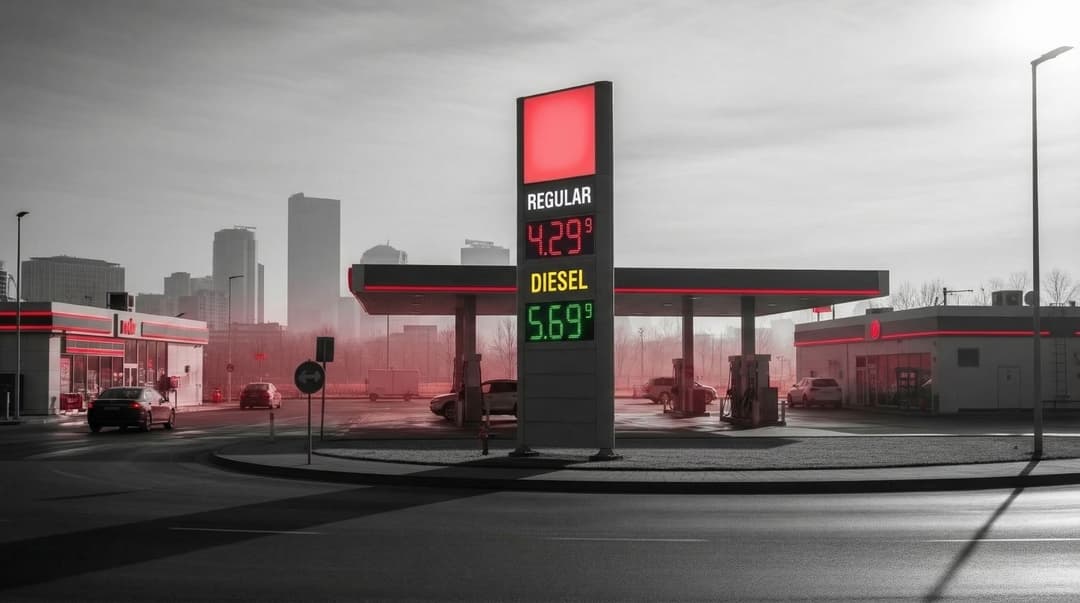
U.S. fuel prices have risen 30% since the Middle East conflict began, moving toward $4 per gallon
Explore More

Trusted By Many
Become A Part Of It