Prices Are Rising — But Why Retailers Are Feeling More Pressure Than Consumers

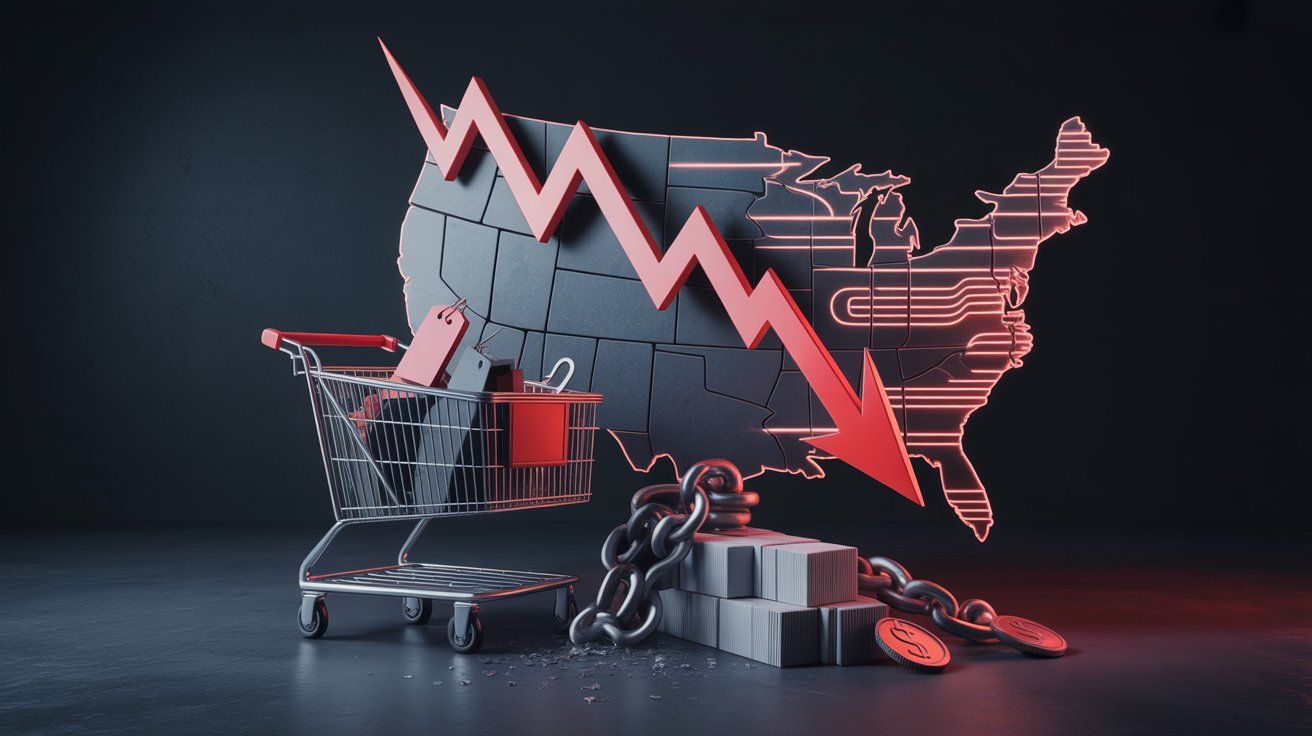
At first glance, rising prices across the United States look like a typical inflation story. Groceries, beverages, and everyday items are getting more expensive, and consumers are adjusting how they spend.
But underneath that surface, something more complex is happening.
US tariffs on imported goods are not just pushing prices higher—they are quietly creating a gap between rising costs and how quickly retailers can respond. For gas stations and convenience store operators, this gap is turning into a real-time margin challenge that most consumers never see.
Understanding this shift is critical, because what looks like a pricing issue on the surface is actually reshaping profitability, customer behavior, and competition at the store level.
Why prices are rising faster than most consumers realize
Prices across everyday goods are rising due to a mix of inflation and increasing operating costs. For many consumers, this raises a common question: why prices are rising in the US and why everyday purchases feel more expensive. Alongside this, US tariffs on imported goods are adding steady pressure to the cost structure of many products.
Many grocery items, daily beverages, and general goods depend on imported ingredients, packaging, or finished products. As tariffs increase these costs, suppliers adjust pricing across categories through frequent, smaller increases rather than one-time jumps. This makes everyday items feel gradually more expensive over time.
For operators, this creates a less predictable pricing environment where margins are harder to manage. For consumers, these ongoing increases lead to more careful spending, stronger price comparisons, and a growing focus on value when deciding where and how to shop.
This highlights the broader impact of tariffs on the retail industry, where cost changes quickly affect pricing and margins.
Why rising prices are quietly squeezing retail margins
It’s easy to assume that higher prices lead to higher profits. In reality, many retailers especially convenience stores are experiencing the opposite.
When tariffs increase the cost of goods, those increases reach retailers first. But adjusting shelf prices doesn’t always happen immediately. This creates a timing gap where:
- Supplier costs rise first
- Retail prices adjust later
- Margins shrink in between
At the same time, competitive pressure limits how far prices can be increased. If one store raises prices too quickly, customers can easily shift to nearby competitors or lower-cost retailers.
Tariffs push costs up instantly, but pricing power moves slower—creating margin compression even as prices rise.
This is why rising prices don’t automatically translate into better profitability. Instead, they often create a more fragile pricing environment where every adjustment carries risk.
Why shoppers are becoming more price-sensitive than ever
As prices rise gradually across categories, consumers are not just spending less they are spending differently.
Instead of reacting to one large price increase, shoppers are adjusting to a series of smaller, ongoing changes. Over time, this builds stronger price awareness and more deliberate decision-making at the shelf.
This shift is visible across income groups:
- Higher-income shoppers are increasingly choosing value-focused options
- Brand loyalty is weakening as price comparisons become more common
- Smaller, more frequent purchases are replacing bulk buying
- Promotions and discounts are playing a bigger role in purchase decisions
One of the clearest outcomes is the rise of “split shopping behavior.
Customers are no longer relying on a single store. Instead:
- Discount retailers are used for value
- Convenience stores are used for immediacy
Even small price differences now have a measurable impact on where purchases happen.
For operators, this means pricing is no longer just a margin decision—it’s a customer retention decision.

How operators can respond without losing margins or customers
As pricing pressure and customer expectations continue to shift, operators are focusing on a few practical actions to stay competitive and protect margins in a more price-sensitive market:
- Monitor supplier costs and tariff-related price changes regularly to avoid margin gaps
- Adjust product mix based on demand and price sensitivity
- Compare local and value-focused competitors to stay competitive
- Use flexible pricing approaches to respond quickly without losing customer trust
These actions help operators stay ahead of ongoing cost changes while maintaining consistency at the shelf. In the current environment, success depends on how quickly operators can respond to shifts in both pricing and consumer behavior without disrupting the customer experience.
What happens if this trend continues
If tariff-driven cost pressure continues, these patterns are likely to intensify.
Retailers may face:
- Tighter margins due to faster cost increases
- More aggressive local price competition
- Continued decline in impulse purchases
- Greater dependence on promotions to drive volume
At the same time, consumers will likely become even more value-focused, making pricing accuracy and responsiveness more critical than ever.
What appears to be short-term pricing pressure is quickly turning into a long-term shift in how consumers shop and how retailers operate.
How can we help with Margin 360?
The combination of rising prices and tariffs helps explain why prices are rising in the US and how these changes are reshaping long-term consumer behavior. As higher costs become persistent, shoppers are developing more value-focused habits that are likely to continue even if conditions stabilize.
For store owners, this signals a long-term change in the retail environment. Pricing must be managed actively, and customer expectations around value will continue to evolve. Discount shopping, deliberate spending, and increased price awareness are no longer short-term reactions; they are becoming standard behavior across income groups.
We can help you stay aligned with cost changes and customer behavior with Margin 360 to protect margins and retain customers in an increasingly competitive market.

Beyond Fast Response: What C-Store Operators Really Need From Customer Support
Back-to-School 2026 Shoppers Are Spending Differently—and Convenience Stores Have an Opening
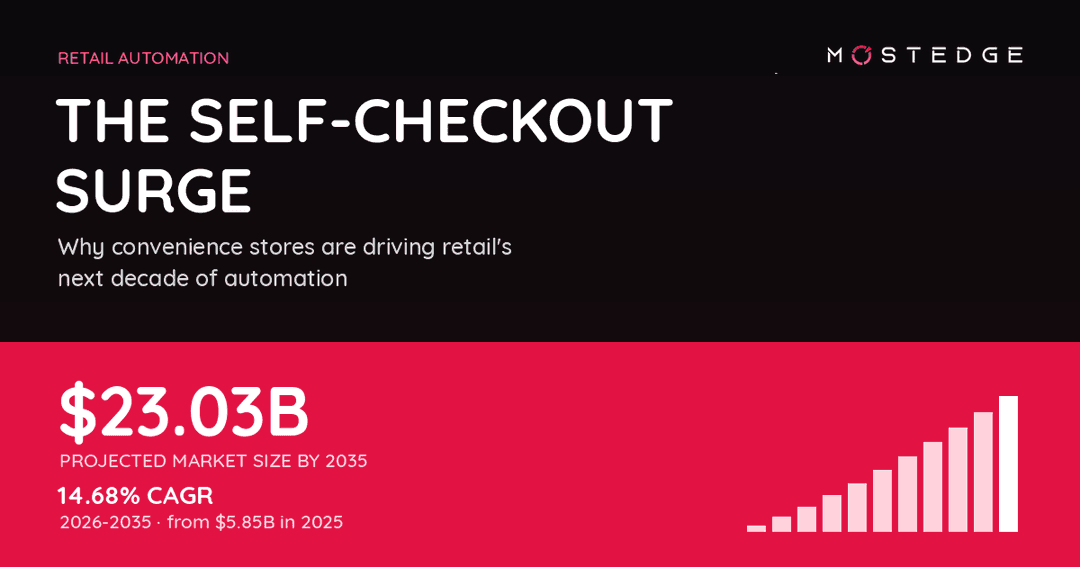
The Self-Checkout Kiosk Surge: Why Convenience Stores Are Driving the Next Decade of Retail Automation
Explore More
Trusted By Many
Become A Part Of It