Chapter 3: Margins Didn't Drop Overnight ! They Leaked Across Stores


After bringing structure to invoices and supplier costs, Sam finally felt a sense of control returning to his business. With MercuryOne in place, purchases were tracked, invoices were organized, and vendor pricing was no longer something he had to second-guess.
On the surface, everything looked stable. Sales were consistent across locations, customer traffic hadn’t changed, and operations felt more predictable than before. But when Sam reviewed his monthly numbers closely, something didn’t add up.
Margins weren’t consistent across stores. Some locations performed better than others without a clear reason, even when sales volume and product mix looked similar.
That’s when Sam realized the problem wasn’t costs anymore & it was pricing. Without a structured convenience store pricing strategy, small inconsistencies were quietly affecting overall margins. As the business grew, Sam needed a more consistent approach to retail pricing management across every location.
When Simple Price Updates Turned Into Uncertainty
In the early days, pricing was simple. Sam could update a product himself or inform the cashier, and within minutes the change would be live. As the business expanded to five stores, that simplicity disappeared.
A single update now depended on calls, messages, and staff execution something that becomes difficult to manage in multi-store retail pricing environments. There was no clear way to confirm whether a change had been applied correctly or consistently across all locations.
Over time, Sam realized the issue wasn’t setting prices, it was not knowing what prices were actually live in each store. That made pricing consistency across stores just as important as making the original price change. Updates depended on people, and once communication was involved, consistency became difficult to maintain.
Without a clear way to verify changes, even small pricing differences could go unnoticed. Across multiple stores, these inconsistencies didn’t stand out immediately but they quietly affected overall margins.
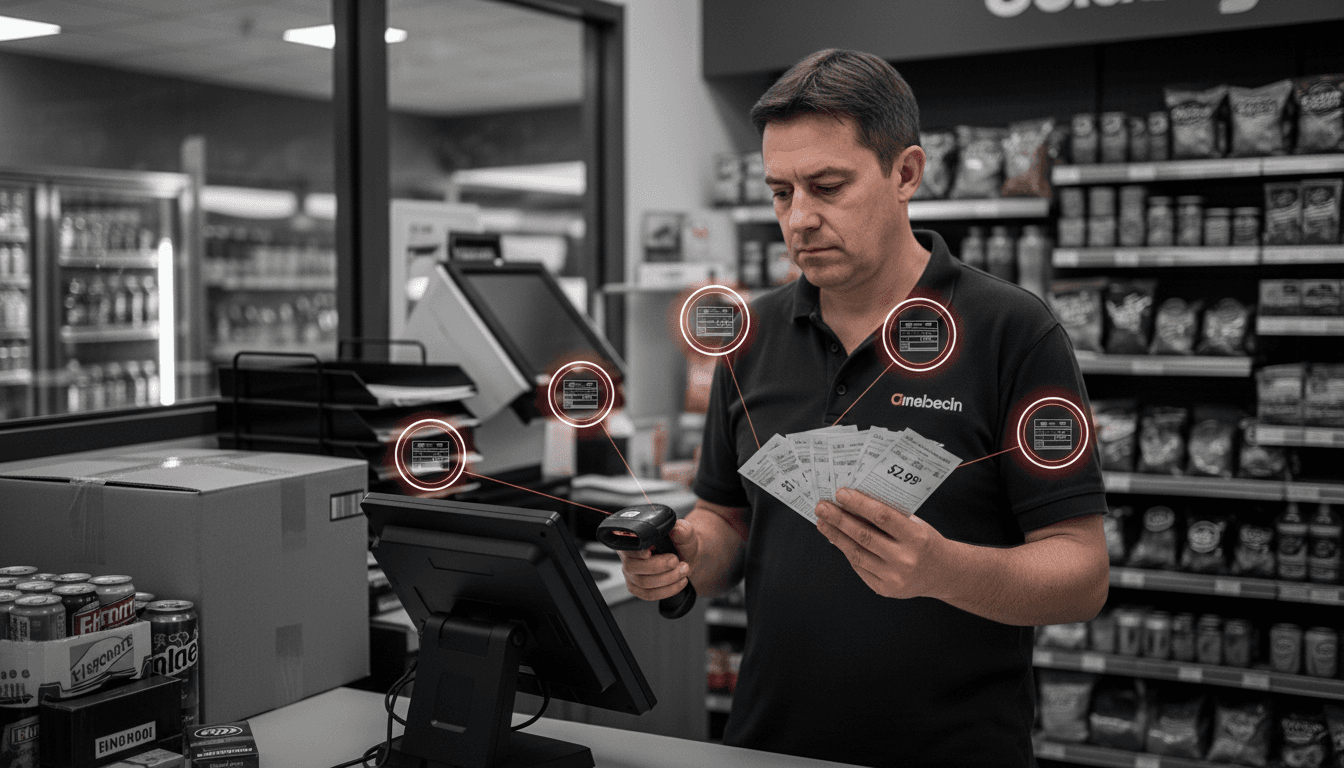
At Scale, Pricing Became a System Problem
As Sam stepped back and looked at the scale of his operations, the challenge became clearer. Each store carried between 10,000 and 15,000 products, which meant he was managing over 50,000 pricing points across five locations.
At that level, pricing could no longer be handled through only store staff’s effort or occasional checks. Managing pricing across multiple store locations required a more centralized approach. Even identifying where changes were needed required time and consistency, both difficult to maintain in daily operations.
Sam knew there were opportunities to improve margins. Some products could support better pricing, while others needed correction. But acting on those opportunities quickly and consistently across all stores required more than effort; it required structure.
At this scale, businesses typically rely on a retail pricing management system to maintain consistency and control across multiple locations.
Opportunities Were Visible but, Not Always Captured in Time
Sam could often sense where pricing needed adjustment. Competitor prices shifted, supplier costs changed, and some products clearly had room for better margins. The opportunities existed but, they didn’t always stand out clearly enough to act on them early. That made retail price optimization difficult because the business could see sales and costs without always seeing where pricing was leaving margin on the table.
One example made this clearer. A fast-moving product group was priced slightly lower than it could have been. The margin looked acceptable, so it didn’t raise immediate concern. But on closer review, there was scope to increase the price by about $0.20 per unit without affecting demand.
In a single store, this would have been a quick fix. With Margin 360, Sam could apply that change across all stores instantly. The real issue was that this opportunity wasn’t visible to him at the right time.
For a multi-store operator, timely pricing optimization matters because a small opportunity can be repeated across thousands of products and multiple locations.
Without early visibility, small pricing gaps like this stayed unnoticed. And across multiple stores, they quietly added up into missed margins.
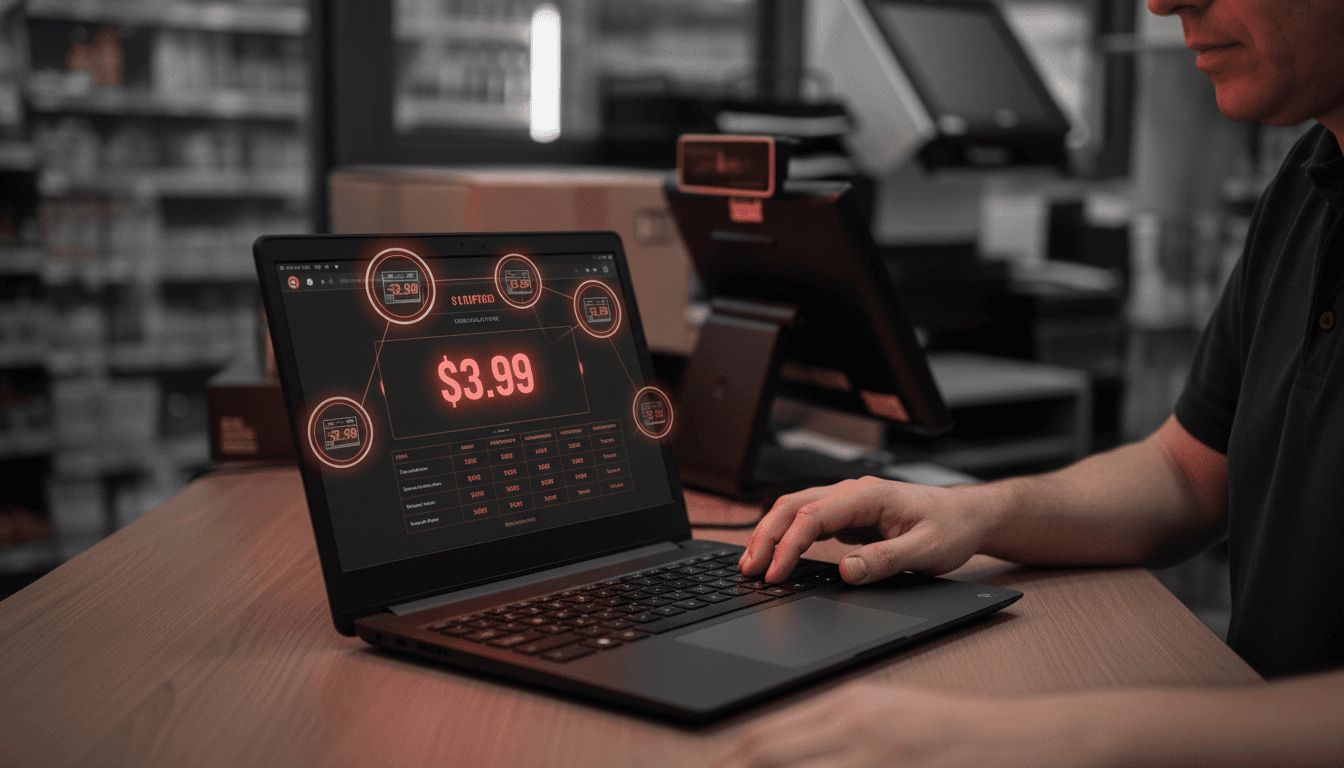
Adding Structure Without Losing Control
To solve this, Sam didn’t just need better visibility, he needed a way to act on it without adding more operational pressure.
That’s where Margin 360 became part of his workflow. Instead of manually tracking pricing across locations, he could see where margins could improve and where adjustments were needed. This gave Sam a more structured approach to retail margin optimization across his stores.
Sam already had access to pricing tools within MercuryOne and could make updates himself. But as operations grew, the challenge wasn’t making changes, it was knowing where to focus and acting at the right time across all stores.
With a more structured use of Margin 360, pricing was not only visible but supported by real-time pricing updates, helping Sam act on margin optimization opportunities faster and more consistently. When opportunities were highlighted, Sam was informed in time to review them and decide on the update. If needed, he could apply the changes himself or authorize them to be executed without delay.
This removed the usual gap between identifying a pricing issue and acting on it. The difference wasn’t in having the tool, it was in using it with consistency and timing.
Sam still made the decisions. But now, those decisions are translated into action without delay.
What Changed in Daily Operations
With pricing structured properly, daily operations became more predictable. Sam no longer had to follow up on updates or rely on confirmation from store staff.
Instead, execution became consistent across all locations, and pricing changes were applied without delays or confusion.
The biggest improvements showed up in areas that previously required constant attention:
- Pricing remained consistent across multiple store locations
- Margin gaps were identified through more consistent pricing optimization
- Manual follow-ups were no longer needed
- Store-level confusion around pricing was reduced
These changes didn’t just improve efficiency, they removed uncertainty from one of the most sensitive parts of the business.
Higher Margins Without Disrupting the Customer
Once pricing became visible and actionable, the impact started showing up quickly. Sam wasn’t increasing prices blindly, he was correcting gaps that had gone unnoticed across stores.
Small adjustments, like a $0.20 change on the right products, began to add up. For a multi-store operator, this is where convenience store margin optimization becomes practical: small pricing improvements can be applied consistently across locations. Applied consistently across multiple locations, these changes helped improve margins by 6–8% through better margin optimization across stores.
What made the difference wasn’t aggressive pricing, it was timing and consistency. Updates were applied when needed, not weeks later, and every store followed the same structure.
At the same time, customer behavior remained stable. Prices stayed aligned with the market, which meant there was no sudden drop in sales or negative pushback.
More importantly, the pressure around pricing decisions started to fade. Sam no longer had to guess, follow up, or worry about missed updates. He could see what needed to change, act on it immediately, and trust that it was applied correctly.
Pricing didn’t become easier and became controlled. And that control is what turned everyday decisions into consistent margin growth across all five stores. This level of control is essential for any business managing retail pricing across multiple store locations.
But control over pricing didn’t solve everything.
After fixing the invoice chaos from Episode 2 and aligning pricing across stores, margins looked stable. On paper, everything was working. In reality, it wasn’t.
Stock levels started telling a different story numbers looked right, but shelves didn’t.
Read Episode 4: When Stock Numbers Looked Right but Shelves Told a Different Story →

7 Common Vendor Invoice Mistakes That Impact Profitability

5 Inventory Management Problems That Start Before a Product Reaches the Shelf

Inventory Accuracy: How to Make Better Decisions With Store Inventory Data
Explore More

Trusted By Many
Become A Part Of It