blog

U.S. fuel prices have risen 30% since the Middle East conflict began, moving toward $4 per gallon
U.S. fuel prices have risen 30% since the Middle East conflict began, moving toward $4 per gallon

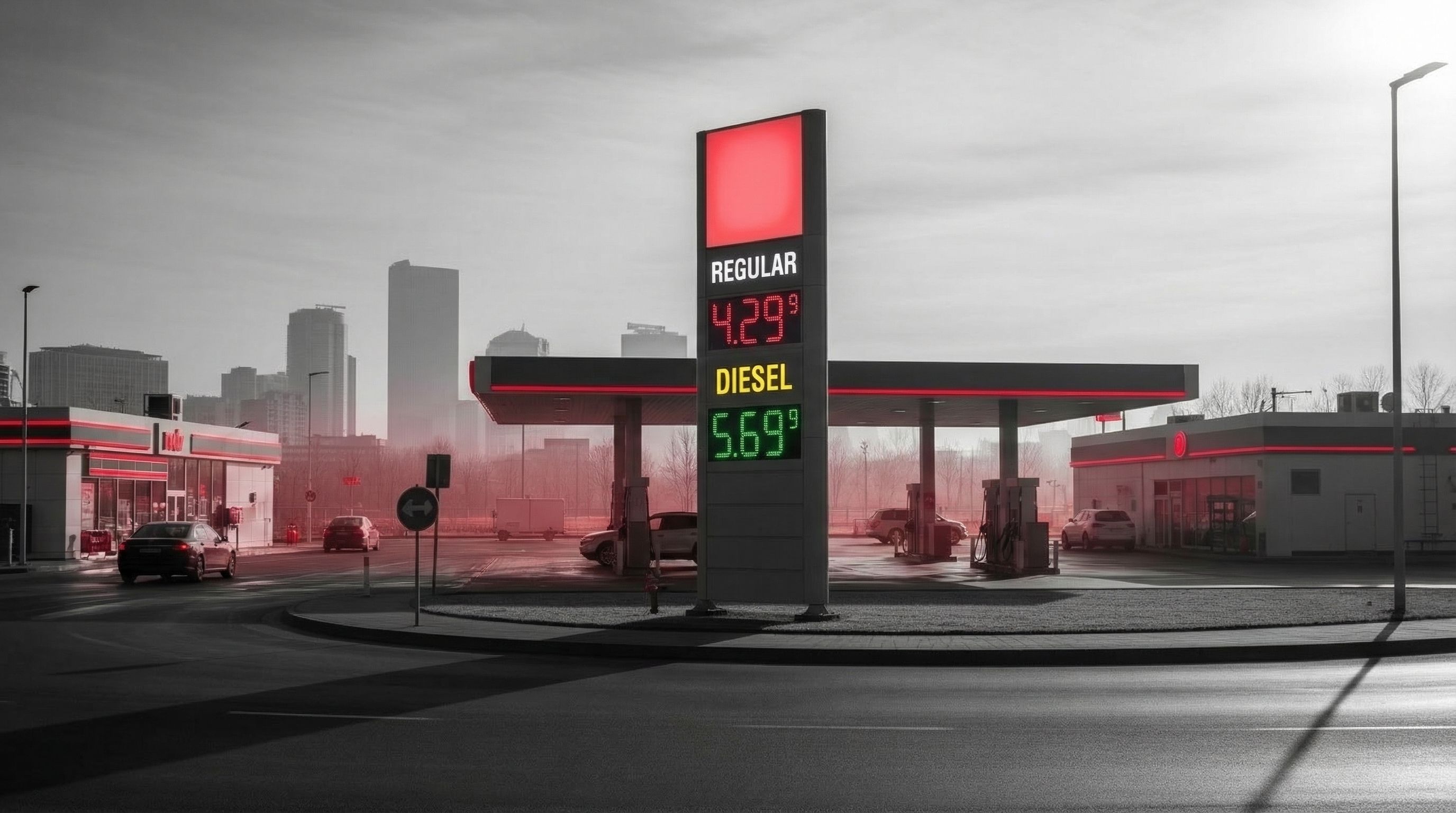
Oil is back above $100—but for U.S. gas stations, the real problem isn’t just higher fuel prices. It’s how quickly those costs are rising compared to how slowly pricing, competition, and customer behavior can adjust.
As the Middle East conflict disrupts global supply through critical routes like the Strait of Hormuz, wholesale fuel costs are moving up almost in real time. But at the store level, operators don’t have the same speed. Pricing decisions are constrained by local competition, and customers are already reacting to higher prices by changing how and when they buy fuel.
This creates a gap—where costs rise first, but margins, traffic, and inside-store sales start to weaken before retailers can fully respond.

Oil prices are rising faster than retailers can react
War in the Middle East is driving sharp oil price surges due to threats against global supply chains, particularly via the Strait of Hormuz. The provided text accurately captures how conflict escalates risks of disruptions, prompting rapid market reactions even before physical shortages occur.
Current Oil Prices
Brent crude recently hit around $109-$110 per barrel as of March 19-20, 2026, up over 50% in the past month amid the conflict. West Texas Intermediate (WTI) crude trades near $94-$95, with futures indicating potential rises above $88-$90.
Supply Disruption Impacts
Iran's closure of the Strait of Hormuz, handling 20% of global oil, has slashed Middle East output by 7-10 million barrels per day, or 7-10% of world demand. Strikes on infrastructure like Iran's South Pars gasfield and Saudi refineries have worsened the crisis, creating the largest supply shock in oil market history.
Market Reactions and Risks
Prices jumped from $70 to $80 initially, then to $108+ as shipping halted and insurance spiked, with Dubai crude exceeding $150-$166 locally. Traders price in prolonged war fears, potentially fueling global inflation if disruptions persist beyond weeks.
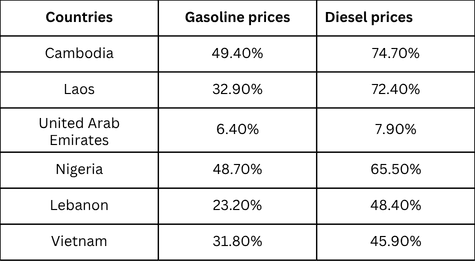
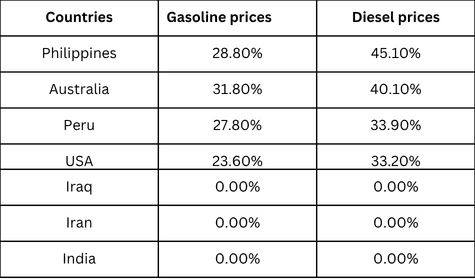
Rising fuel costs hit faster than pricing can adjust
When oil prices rise, gas stations feel the impact almost immediately. In the current situation, war-driven supply risks are pushing crude and refined fuel prices higher at a rapid pace putting fuel margins under pressure for gas stations and convenience stores. Because retailers buy fuel through wholesale markets linked to refinery and spot pricing, these cost increases pass through quickly.
At the same time, stations compete in tight local markets where pricing decisions directly affect traffic. Some delay increases to attract customers, while others raise prices to protect margins.
Rising fuel prices also increase transaction values, leading to higher credit card processing fees. In this war environment, even strong fuel sales do not guarantee profitability if pricing lags behind rising wholesale costs.
Why Rising Fuel Prices Don’t Always Increase Profits
At first glance, rising fuel prices may seem like a positive for revenue. Higher prices increase the value of each transaction, creating the impression of stronger sales.
In reality, profitability does not move in the same direction. Fuel margins are often tight and highly sensitive to timing. When wholesale costs rise quickly, retailers must adjust pricing carefully to avoid losing customers to nearby competitors.
This creates a lag effect. Costs increase immediately, but retail prices cannot always keep pace. During this window, margins compress as operators sell fuel at prices that no longer reflect current replacement costs.
Even when prices are adjusted, higher fuel costs can reduce demand. Customers may delay refueling, reduce driving, or shop around more actively, limiting volume growth.
As a result, higher prices do not automatically translate into higher profits. Instead, they often increase volatility, where margins depend on how quickly and accurately pricing decisions are made in a rapidly changing market.
Higher fuel prices quietly reduce store traffic and sales
When fuel prices rise due to war-driven supply disruptions, the impact goes beyond the pump. This is the part most coverage misses. Inside-store sales often contribute over 60% of total profit for convenience stores, making traffic decline a direct hit to profitability.
Fuel does not just generate revenue, it drives traffic. When gasoline prices increase, customers change how they drive. They combine trips, reduce travel, or delay refueling. As a result, fewer people stop at gas stations.
That drop in forecourt traffic quickly becomes a store problem.
This creates double pressure on convenience stores. Fewer customers are coming in, and those who do are spending less. Together, this reduces both sales volume and profitability.
How gas station operators can respond to rising fuel costs
When oil prices rise due to war-driven supply disruptions, operators cannot rely on volume alone. The focus must shift to actively managing margins, traffic, and in-store performance.
- Pricing discipline is critical. Fuel prices need to stay aligned with wholesale movement to avoid replacement cost losses. Delayed price adjustments may bring short-term traffic but can quickly erode margins in a volatile market.
- Margin protection must extend beyond fuel. As pressure increases at the pump, profitability depends on high-margin categories like beverages, coffee, and prepared food, supported by smart pricing and bundled offers in c-store.
- Traffic optimization also becomes essential. With fewer customers on the road, each visit matters more. Loyalty programs and targeted promotions can help retain and convert customers.
Cost control is equally important. Monitoring fees, deliveries, and inventory helps reduce leakage. Success comes from managing pricing faster, improving conversion, and protecting margins across the business.
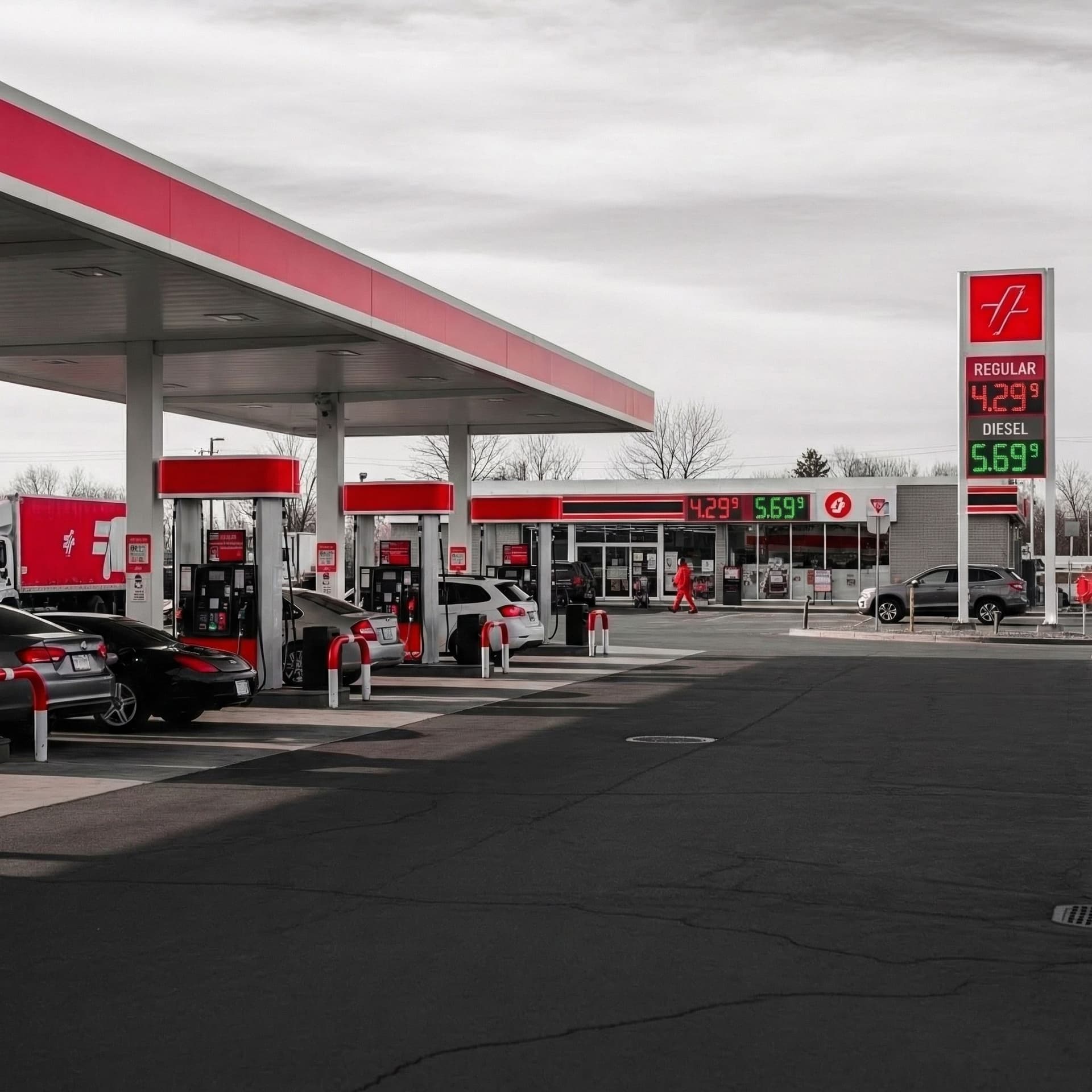
Why global oil disruptions still control U.S. fuel prices
The United States produces a large share of its own oil and imports much of the rest from stable regions like Canada, but fuel prices are shaped by the global market, especially during geopolitical conflict.
Oil is priced internationally, so any war-driven disruption in global supply pushes prices higher everywhere, including in the U.S. Even without direct reliance on conflict regions, reduced global supply tightens availability and increases costs.
This becomes critical around key chokepoints like the Strait of Hormuz, where a large portion of global oil flows. Any disruption there quickly affects pricing worldwide.
For gas stations, the impact is immediate. Wholesale fuel costs rise regardless of domestic supply stability, and those increases flow directly to retail prices. In short, the U.S. may be supply-secure, but it remains highly exposed to global price movements.
What this means if oil price volatility continues
Oil is back above $100 a barrel, Brent above $105, WTI near $100 as the Middle East war pushes global energy markets into uncertainty, pressuring U.S. gas station pricing, margins, and traffic. This critical Strait of Hormuz route (20% of global supply) faces U.S.-Israel-Iran tensions, spiking refining costs, wholesale fuel, and pump prices.
Rising crude increases wholesale fuel costs. Volatility tightens retail margins. Higher pump prices can reduce traffic, and fewer fuel stops often lead to weaker convenience store sales.
See how Mostedge helps gas stations respond faster to price changes and protect profitability start making smarter decisions today.

Dollar Tree Is Closing 75 Stores and Opening 400 — Here's the Lesson Every Store Owner Should Take From It

K-Beauty Officially Goes Mainstream in the U.S. — Why Convenience Stores Should Be Paying Attention Today
ITC's Coconut Cola Isn't Just a New Soft Drink—It's a New Retail Category. Is Your Store Ready to Measure It?
Explore More

Trusted By Many
Become A Part Of It