Oil Market Volatility Puts Fuel Margins Under Pressure for Gas Stations and Convenience Stores

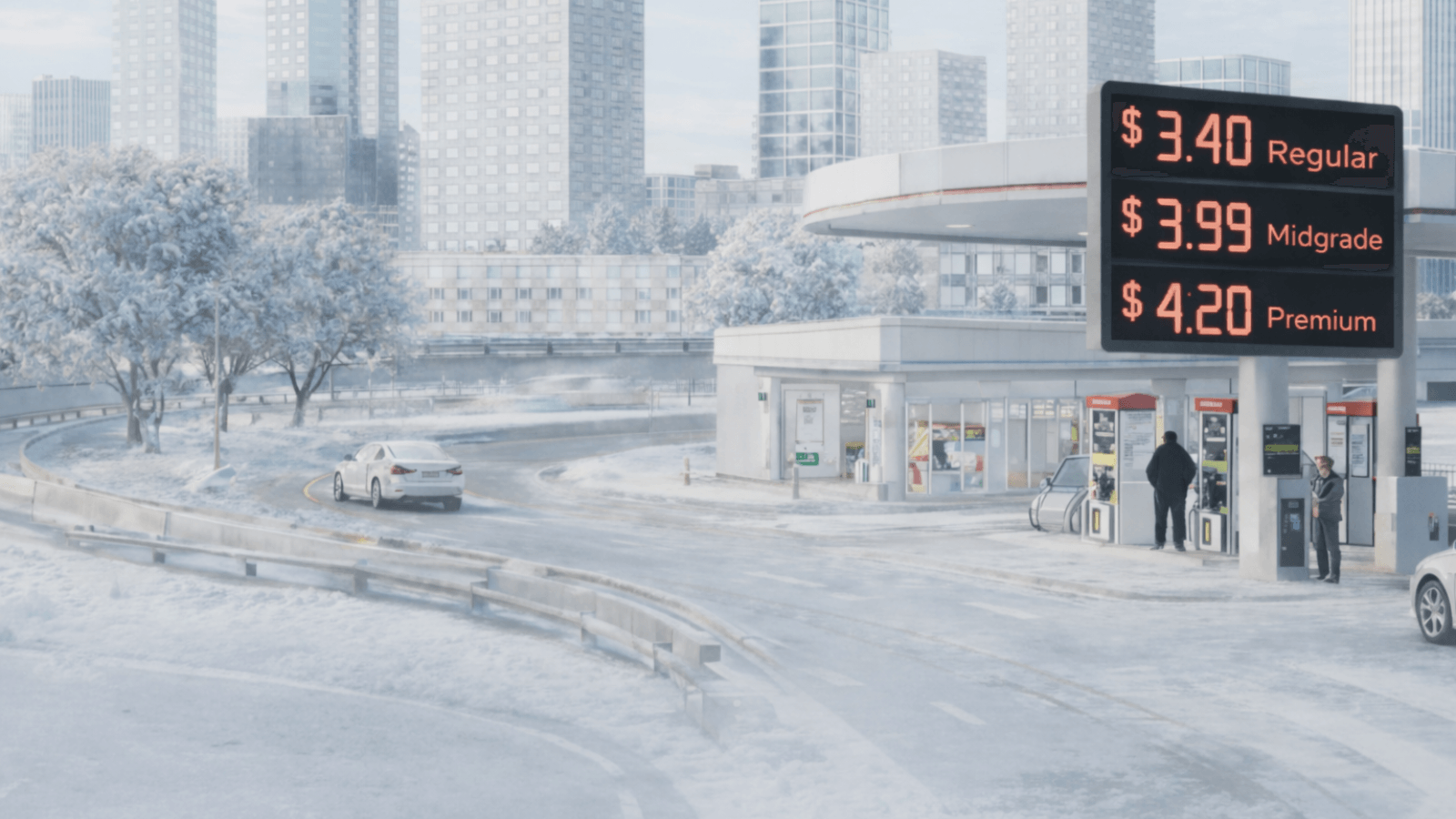
If oil prices continue swinging between supply gluts and geopolitical shocks, gas stations and convenience stores across North America will face tighter fuel margins, unpredictable pricing cycles, and growing pressure to shift profit generation inside the store rather than at the pump.
That is the reality taking shape in 2026 as global oil markets remain volatile despite record production. For fuel retailers, the implications are immediate. Daily pricing decisions are harder to manage, margin forecasting is unreliable, and competitive pressure is intensifying, particularly for independent operators.
Global supply is high, but prices refuse to settle
Oil production in the United States, Canada, Brazil, and Guyana is running at or near record levels. At the same time, demand growth is slowing as electric vehicles expand, fuel efficiency improves, and parts of industry shift toward LNG and alternative energy sources.
Under normal conditions, this imbalance would push crude prices lower. Instead, oil prices continue to fluctuate within a wide range, largely due to geopolitical risk. Ongoing tensions involving Iran, restrictions on Russian exports, and persistent instability in the Middle East are keeping a risk premium embedded in crude pricing.
As a result, analysts expect oil prices to remain volatile rather than stable, creating ongoing uncertainty for fuel retailers whose margins depend on predictable wholesale costs.
Fuel margins are becoming less reliable
For gas stations and c-stores, this volatility is no longer a short-term disruption. Fuel margins are increasingly difficult to forecast month to month, with rapid cost changes and competitive repricing compressing profitability at the pump.
Fuel remains essential for driving traffic, but its role as a dependable profit center is fading. Many operators are adjusting their business models accordingly, treating fuel as a volume and traffic driver while focusing margin growth inside the store.
In-store sales carry more weight in volatile markets
When fuel prices fluctuate sharply, customers become more price-sensitive before they even enter the store. That sensitivity often carries over into purchasing behaviour, putting pressure on basket size unless retailers actively respond.
Foodservice, beverages, snacks, coffee, and bundled offers are increasingly where margins are protected. Operators that deploy value-driven meal deals, fuel-and-food bundles, and impulse-focused merchandising are better positioned to offset pump-side volatility.
Industry operators note that cross-selling and upselling can no longer be passive. In-store execution, pricing discipline, and promotion timing are becoming core operational priorities.
Lower price periods create traffic opportunities
Temporary dips in oil prices tend to increase travel, trip frequency, and overall forecourt traffic. For both highway locations and neighbourhood stores, these periods offer a window to convert fuel-driven visits into repeat in-store customers.
Retailers with defined promotional playbooks, loyalty activations, and limited-time offers are better positioned to capitalize on these cycles before prices rise again.
High price spikes change customer behaviour
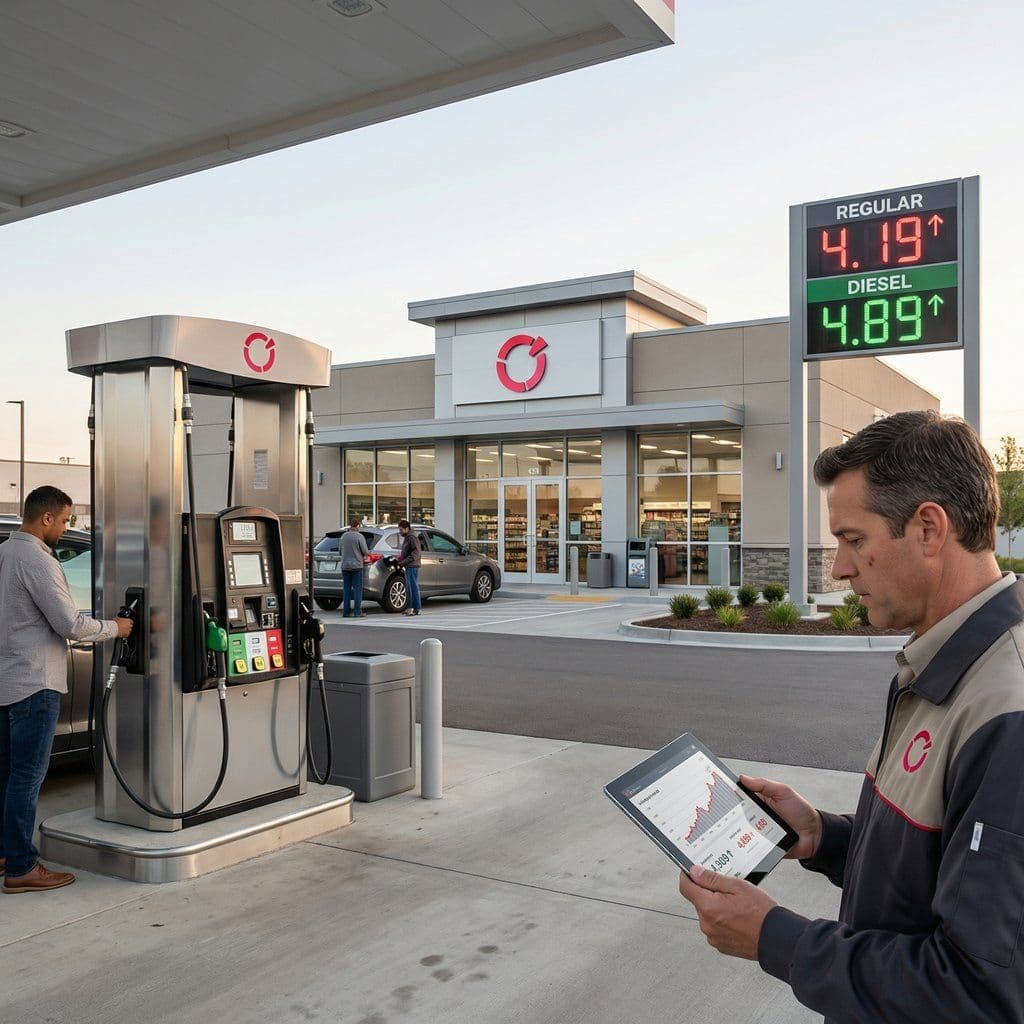
When oil prices move toward the upper end of expected ranges, customers typically reduce discretionary spending and purchase only essential fuel volumes. In these periods, stores that emphasize value pricing, smaller pack sizes, and private-label options tend to preserve basket size more effectively.
Merchandising strategies that worked during lower-price environments often require adjustment to match reduced consumer confidence.
Highway and truck traffic remains a bright spot
Despite volatility, sustained production levels support logistics and freight movement. Highway-adjacent locations and truck stops may see stable or increased traffic, particularly from professional drivers.
Clean facilities, reliable parking, fast service, and targeted meal offerings remain key differentiators for capturing and retaining this segment.
Scale favours major oil companies, agility favours independents
Large integrated companies such as Exxon Mobil and Chevron have the financial scale to absorb margin swings that can strain independent operators.
Independent retailers, however, retain an advantage in speed and adaptability. Inventory optimization, waste reduction, and per-customer margin analysis allow smaller operators to respond faster than national chains.
Data-driven platforms such as MostEdge are increasingly used to identify margin leakage, refine pricing strategies, and guide in-store execution at the location level.
Digital tools and data are becoming essential
With fuel margins under sustained pressure, retailers are placing greater emphasis on digital screens, targeted promotions, loyalty-driven pricing, and real-time analytics. These tools help convert forecourt traffic into higher in-store spend and reduce reliance on fuel profitability alone.
Upselling at the counter, personalized offers, and promotions tied to pricing cycles are becoming standard operating tools rather than optional enhancements.
The operating reality for c-store owners in 2026
Oil market volatility is expected to persist. Supply gluts, geopolitical risk, and uneven demand growth are structural forces, not temporary disruptions.
For gas stations and convenience stores, the strategic direction is becoming clearer. Fuel drives traffic. Profit is built inside the store through disciplined operations, value-focused merchandising, and data-informed decision-making.
Operators that adapt to this model are positioning themselves for resilience in an increasingly unpredictable fuel market. Those waiting for fuel margins to stabilize may find themselves under sustained pressure as volatility becomes the norm rather than the exception.


Back-to-School 2026 Shoppers Are Spending Differently—and Convenience Stores Have an Opening
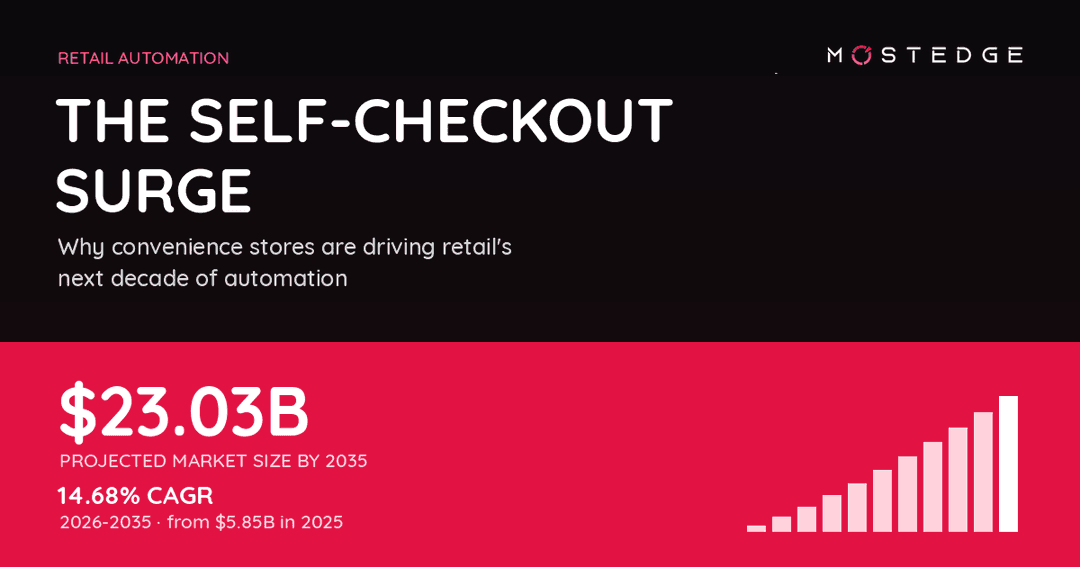
The Self-Checkout Kiosk Surge: Why Convenience Stores Are Driving the Next Decade of Retail Automation
Dollar Tree Is Closing 75 Stores and Opening 400 — Here's the Lesson Every Store Owner Should Take From It
Explore More

Trusted By Many
Become A Part Of It