
Blog

convenience-store
store-operations-services
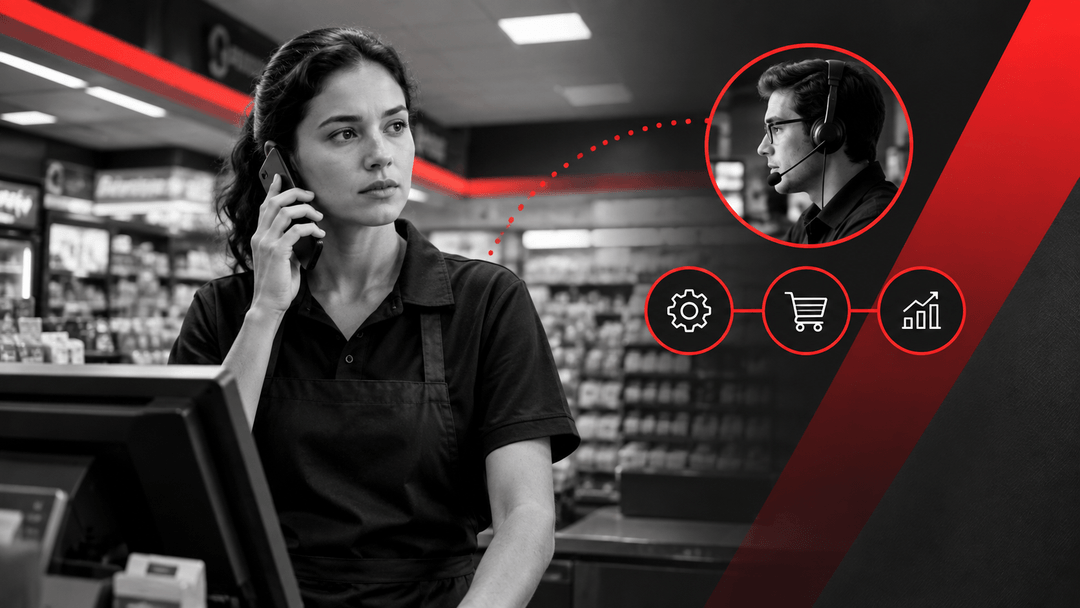
Beyond Fast Response: What C-Store Operators Really Need From Customer Support
September 8, 2026
When a promotion fails or inventory doesn't match at a convenience store, a fast reply isn't enough the problem needs real investigation. This article breaks down why answering, investigating, and resolving are three different things, and why the quality of the first support contact determines whether an issue gets fixed or just becomes another ticket. With 63% of U.S. convenience stores run by companies with 10 or fewer locations, most operators lack big in-house IT teams. MostEdge's support model focuses on connecting operators with human specialists across phone, chat, and email, prioritizing actual resolution over ticket-closing speed.

convenience-store
seasonal-tips
Back-to-School 2026 Shoppers Are Spending Differently—and Convenience Stores Have an Opening
July 31, 2026
Back-to-school shopping in 2026 is becoming more value-driven, fragmented, and deliberate. Families are still spending, but many are waiting for deals, spreading purchases across the season, and prioritizing essential items over expensive upgrades. This shift creates an opportunity for convenience stores and gas stations to capture immediate and unplanned purchases between major shopping trips. Rather than competing with big-box retailers on price, c-stores can focus on proximity, speed, availability, and relevant seasonal products such as chargers, batteries, snacks, beverages, and basic supplies. With better store-level visibility, operators can track changing demand, adjust inventory, and turn everyday customer traffic into incremental back-to-school sales.
convenience-store
store-operations-services
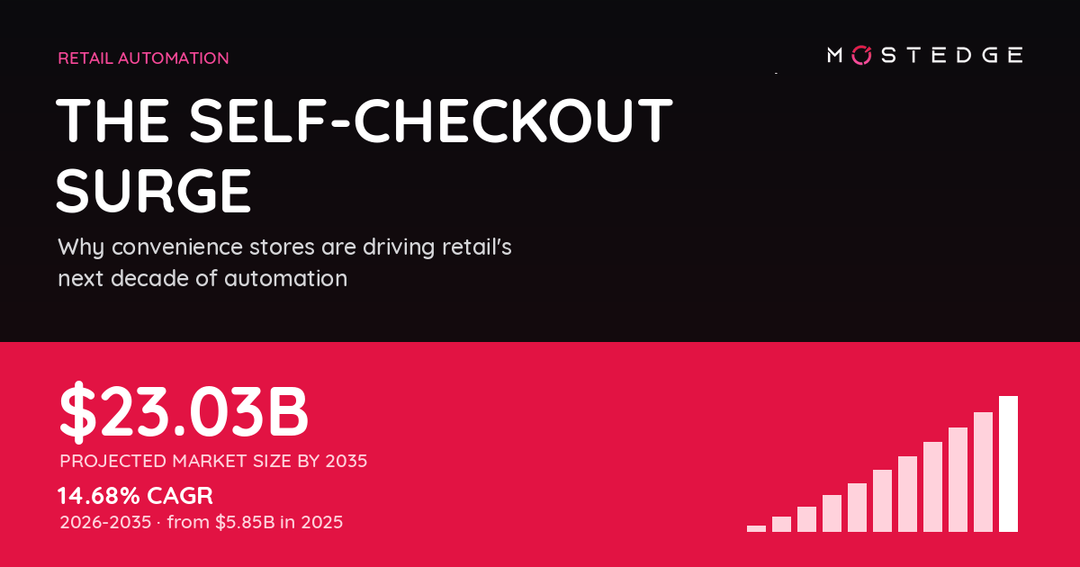
The Self-Checkout Kiosk Surge: Why Convenience Stores Are Driving the Next Decade of Retail Automation
July 28, 2026
Self-checkout kiosks are becoming an important part of convenience store automation as retailers face labour shortages, rising transaction volumes, and growing demand for faster shopping. Convenience stores and fuel stations are well positioned to adopt self-service checkout because their customers often make quick, small-basket purchases. When connected with POS, inventory, loyalty, and loss-prevention systems, self-checkout technology can do more than reduce queues—it can improve operational efficiency, support upselling, and enhance the customer experience. As retail automation expands, convenience store operators will need to evaluate how kiosks, software, and human staff can work together to create faster and more profitable stores.
store-operations-services
convenience-store
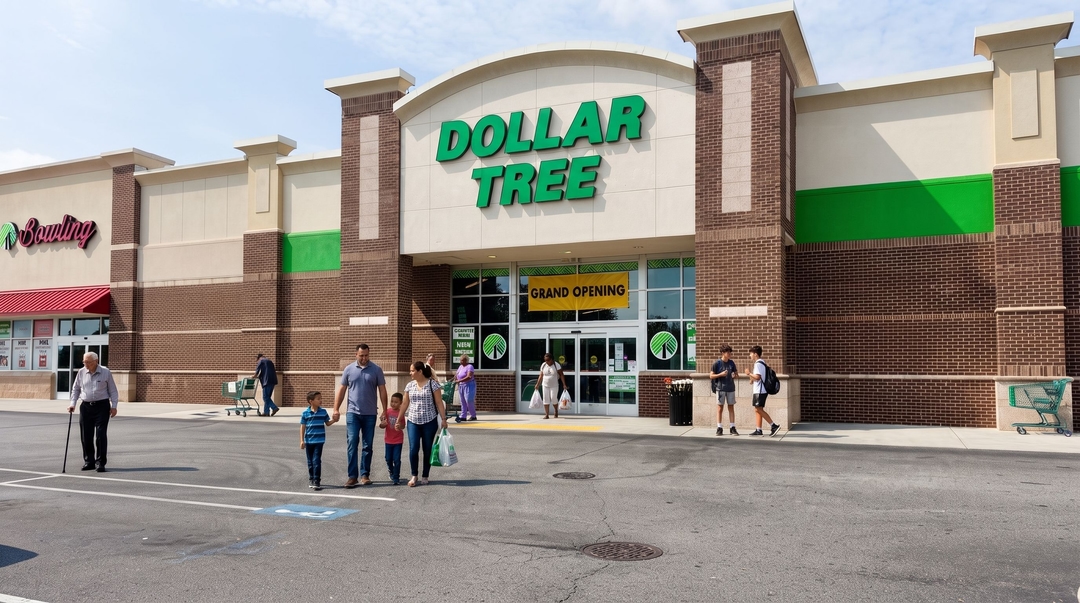
Dollar Tree Is Closing 75 Stores and Opening 400 — Here's the Lesson Every Store Owner Should Take From It
July 21, 2026
Dollar Tree's plan to close 75 stores made headlines, but the real story is expansion: the retailer is opening 400 new locations in fiscal 2026, growing past 9,300 stores while profits jumped 38%. Most striking, sales rose 3.5% even as customer traffic fell 1% — because average transaction size grew 4.5% after the shift to multi-price formats. The lesson for convenience store owners: disciplined growth beats gut-feeling expansion. Measure every store's true performance, choose new locations based on data rather than availability, and grow revenue per customer instead of chasing footfall. Tools like Store Pulse and Margin 360 make that big-chain visibility accessible to independent operators.


Trusted By Many
Become A Part Of It