After PepsiCo’s 15% Price Cut: The Real Problems Retail Stores Faced and How to Fix Them

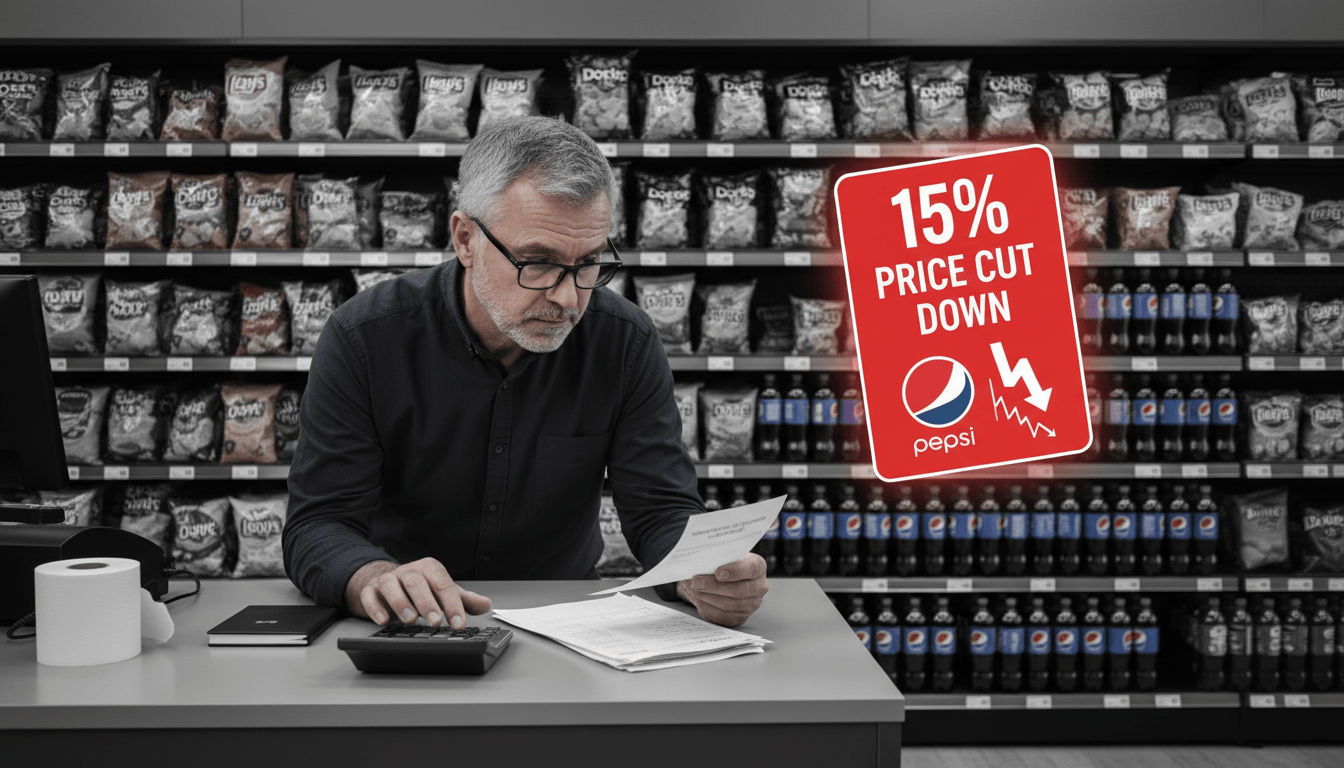
When a major supplier like PepsiCo announces a 15% price reduction, most retailers see opportunity. Lower cost usually means better margins, stronger promotions, and increased foot traffic.
But retail operations do not adjust instantly. Once the new pricing begins flowing through inventory, invoices, POS systems, and customer demand, complications start to surface.
Many store owners only realize the impact weeks later, when margins feel tighter, reports look inconsistent, and ordering decisions become uncertain. A price cut may boost volume, but without control, it can quietly reduce profitability.
What problems did retailers face after PepsiCo’s 15% price cut?
At first, the adjustment looked simple. Reduced supplier cost should translate into competitive shelf pricing and improved turnover.
Instead, the shift created friction across multiple operational layers. The problems did not appear dramatically. They showed up gradually in cost reporting, billing accuracy, stock movement, and forecasting. Here is what actually happened inside retail stores.
Margin confusion on existing inventory
Retailers were already holding inventory purchased at older, higher costs. When the new pricing took effect, they had to decide whether to lower shelf prices immediately or wait until previous stock cleared.
Many adjusted prices quickly to remain competitive. That compressed margins on the remaining high-cost inventory. Even a few percentage points of margin drop in a high-volume snack and beverages products category can significantly affect monthly profit.
Mixed-cost inventory also distorted reporting. Weekly financial summaries showed fluctuating margins that were difficult to interpret, making it harder for owners to evaluate real performance.
POS and Shelf Pricing Disruption
Price changes required immediate updates across POS systems and shelf tags. In stores without automated synchronization, mismatches occurred between displayed prices and scanned prices.
This led to customer complaints, manual overrides at checkout, and unnecessary refund adjustments. Small pricing errors may seem minor, but repeated incidents damage trust and slow operations.
Employees also spent additional time replacing labels and verifying promotions. That labor shift reduces focus on sales and customer engagement during peak hours.
Distributor Timing and Invoice Complications
Supplier price announcements do not always align perfectly with delivery cycles. Some stores received shipments at reduced cost while invoices still reflected previous rates.
Others expected credits that were delayed or partially applied. Without structured past invoice review, these discrepancies can go unnoticed for weeks.
Missed cost adjustments across multiple deliveries quietly reduce margins. By the time the issue is identified, the financial impact is already embedded in monthly reports.
Inventory Imbalance and Demand Distortion
Visible price drops often trigger short-term demand spikes. High-traffic stores experienced faster sell-through and occasional stockouts.
Stockouts affect more than one SKU. When customers cannot find preferred products, they may switch brands or abandon the purchase entirely.
In slower locations, demand spikes were temporary. Retailers who overcommitted during the promotion were later left holding excess inventory once sales normalized.
Competitive Brand and Category Pressure
When a dominant brand reduces prices, competing brands within the same category face pressure. Customers begin comparing price points more aggressively.
Retailers were forced to choose between matching competitor pricing, which compressed category margins, or maintaining pricing and risking slower movement.
Over time, aggressive reaction pricing reduces total category profitability and weakens negotiation leverage with suppliers.
Forecasting and Financial Planning Challenges
Short-term sales increases created a misleading sense of growth. Revenue improved, but margin percentages did not always follow.
Retailers who interpreted promotional spikes as long-term demand growth risked over-ordering in subsequent cycles.
Cash flow planning also became unstable. Increased volume required faster replenishment, affecting working capital while margins remained compressed.
How Retailers Can Protect Margins After Supplier Price Cuts
When suppliers like PepsiCo reduce pricing, the risk is not the discount itself. The risk is operating without visibility. Mostedge addresses that risk with structured back-office and inventory control.
- Problem: Old inventory bought at higher cost reduces margin.
- What We Do: Using Stock 360, we analyze past sales patterns and advise retailers to maintain controlled weekly ordering instead of bulk buying.
- Result: Inventory stays balanced, and margin consistency is protected even during price transitions.
- Problem: Mixed inventory costs create margin confusion for retailers.
- What We Do: Through Margin 360, we show exactly how much high-cost stock remains before retailers adjust pricing.
- Result: Pricing decisions are based on real inventory layers, not assumptions.
- Problem: Invoice errors during pricing transitions.
- What We Do: Our invoice 360 verifies updated costs and flags missing credits before payment approval.
- Result: No silent margin loss from unnoticed billing discrepancies.
Conclusion: Control Determines Profit, Not Price Cuts
A supplier price reduction does not guarantee higher profitability. It introduces change into a system that requires precision and discipline.
Retailers who lack cost visibility and invoice control experience quiet margin erosion despite strong sales numbers. Those with structured inventory tracking and back-office verification maintain stability.
In retail, pricing shifts are temporary. Operational control is what protects long-term profit.

Beyond Fast Response: What C-Store Operators Really Need From Customer Support
The Self-Checkout Kiosk Surge: Why Convenience Stores Are Driving the Next Decade of Retail Automation
Dollar Tree Is Closing 75 Stores and Opening 400 — Here's the Lesson Every Store Owner Should Take From It
Explore More

Trusted By Many
Become A Part Of It